Does Premium Petrol Actually Make Your Car Faster?
Ever overpaid for super car fuel, believing it would increase the power? Ever wondered: Did it give you better acceleration, more HP, or more Kmpl to reach your destination if you used Super 98 gasoline rather than Special 95?
You are not alone. This occurs at petrol stations more than once, particularly when the higher-priced fuel appears to be the more logical choice for the UAE.
In this guide, you’ll find out how premium petrol functions, if it improves horse power benefits, how Super 98 fuels differ from the Special 95 in UAE and when it becomes worthwhile to pay extra for petrol.
What Is Premium Petrol?
Its full name is premium petrol, and it’s a higher-grade fuel that consists of gasoline with a higher octane level than standard petrol. Super 98 is a high-octane fuel readily available in the UAE, with Special 95 and E-Plus 91 also in use.
The notable distinction between the grades is their octane figure, which is the resistance of the fuel to engine knock.
The higher the octane rating, the more powerful it is, not necessarily the more economical or higher energy per litre. Different engines will react to it in various ways, and if they are developed to take advantage of it, it can have value.

What Does the Octane Number Mean?
Octane measures a petrol’s resistance to engine knock. In the UAE, fuel grades are commonly identified by their Research Octane Number (RON).
Here is a simple comparison:
- E-Plus 91: 91 RON.
- Special 95: 95 RON.
- Super 98: 98 RON.
Does Premium Petrol Actually Increase Horsepower?
High-quality petrol may increase power for some cars; however, it isn’t a standard rule that this happens for all cars. The difference is based on the design of the engine, compression ratio, and ignition timing.
1. Standard Cars
If your car is rated for 91 or 95 grade of petrol, then upgrading the fuel quality to 98 will probably not noticeably improve its acceleration or horsepower much.
A family car used to make Special 95 performance fuel won’t necessarily allow the car to go faster when fueled with Super 98.
2. High-Performance Cars
In order to generate more power, higher compression ratios and more advanced ignition settings are used in high-performance engines. Frequently, these engines need high-quality petrol for their performance to be as intended.
If the computer stores 98 RON in the top of the fuel tank, then lower octane will cause the computer to correct for knock and may result in a loss of power and acceleration.
3. Turbocharged Engines
A turbocharger’s purpose is to pump more air into the engine, which results in a decrease in pressure and temperature within the engine cylinders, as well as an increase in power.
Certain turbocharged engines are actually enhanced by high-octane petrol, as this can help prevent any knocking sounds and therefore ensure the desired performance efficiency. But not all turbo cars require high-octane gasoline. Be sure to refer to the manufacturer’s recommended octane rating.
4. High-Compression Engines
Air-fuel is compressed more in high-compression engines, which could boost power and efficiency, but may also lead to knock.
These engines require “high-octane” petrol, which prevents them from knocking and allows their correct timing. If, on the other hand, the engine is not rated for any boost to output from fuel of higher octane ratings, then prepping up the car to run top-grade petrol won’t make it faster.

E-Plus 91 vs Special 95 vs Super 98: Which Is Best in the UAE?
The most frequent options are UAE’s E-Plus 91, Special 95, and Super 98. Of these grades, Super 98 has the highest octane rating, but it isn’t always the best option for a vehicle.
The right option depends on your engine’s requirements.
| UAE petrol grade | Octane rating | General guidance |
|---|---|---|
| E-Plus 91 | 91 RON | Suitable for vehicles whose manufacturers permit 91 RON |
| Special 95 | 95 RON | Suitable for vehicles requiring 95 RON or a compatible lower grade |
| Super 98 | 98 RON | Suitable for vehicles requiring or benefiting from 98 RON |
How Does Premium Petrol Improve Engine Performance?
Higher-octane petrol does not create extra power by itself. Instead, it gives compatible engines more freedom to operate using their intended combustion settings.
Here are four important ways this can affect performance.
1. Reduces the Risk of Engine Knocking
Engine knocking occurs when part of the unburned fuel-air mixture ignites uncontrollably under high pressure and temperature.
2. Allows More Suitable Ignition Timing
Ignition timing is the control of when a spark plug fires, igniting the compressed air-fuel mixture.
Timing is critical since an early or late firing could impact engine performance, efficiency, and combustion stability.
3. Supports Higher Turbocharger Boost
Turbochargers increase the amount of air entering the engine, helping it produce more power.
4. Helps Maintain the Engine’s Designed Horsepower
Every engine has specific operating limits and performance settings.
When a manufacturer requires premium petrol, the engine is designed around the knock resistance that higher-octane fuel provides.
Read more: Why Your Car’s Fuel Economy Has Dropped

Does Premium Petrol Improve Fuel Economy?
A large number of motorists think that high-quality petrol carves out improved mileage, due to the higher octane rating. But it is one of the most common fuel misconceptions. Fuel economy is not directly related to higher octane.
There are also some factors in the everyday use of a vehicle that reduce fuel economy:
- Bad driving techniques such as sudden acceleration and bumpy braking tend to consume fuel.
- Tyre pressure: If tyres are underinflated, they are going to have more rolling resistance.
- Dirty air filters, faulty spark plugs, and other mechanical issues may impact the performance of the vehicle’s engine.
- Stopping and starting traffic: Stuttering traffic consumption can raise fuel use.
- Extra load on the vehicle: If the vehicle is not loaded, it can only add weight.
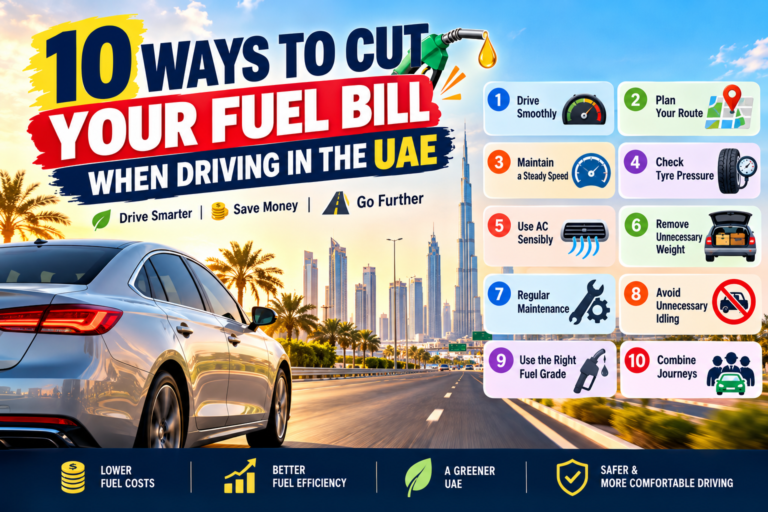
- Air conditioning: Applying air conditioning may give an extra load to the engine, especially in some driving situations.
Premium Petrol vs Regular Petrol: Which One Is Better?
Both regular and premium petrol have their own applications. The correct choice depends on your vehicle’s engine design and manufacturer recommendations.
Here is a simple comparison:
| Feature | Regular Petrol | Premium Petrol |
|---|---|---|
| Octane rating | Lower | Higher |
| Resistance to knocking | Lower | Higher |
| Price | Usually cheaper | Usually more expensive |
| Horsepower | Meets intended engine requirements | Can support performance in compatible engines |
| Acceleration | Depends on engine | Can help maintain intended acceleration in suitable engines |
| Fuel economy | Depends on engine | Not automatically better |
| Detergent additives | Depends on formulation | Depends on formulation |
| Best suited for | Engines designed for regular fuel | Engines requiring or benefiting from higher octane |
Is Premium Petrol Worth the Extra Cost?
Premium petrol is worth paying for when your vehicle requires it. If your car can operate correctly on a lower grade and does not benefit from higher octane, paying extra may not be worthwhile.
| Cost comparison | Special 95 | Super 98 |
|---|---|---|
| Price per litre | AED 2.50 | AED 2.70 |
| Fuel required | 50 litres | 50 litres |
| Total refill cost | AED 125 | AED 135 |
How to Choose the Right Petrol for Your Car in the UAE
The key to getting the right petrol is selecting its octane level to suit the needs of your car rather than resorting to the highest level available.
- Refer to the Owner’s Manual: See the minimum and/or recommended RON rating.
- Look at the Fuel-Filler Label: see the lowest or recommended petrol grade.
- To be used only when 98 RON is specified. When only recommended, improvement in performance may be subject to variation.
- Think about Equipment: Knocks are more likely to occur during heavy loads, towing, high loads, and hot temperatures. There’s no benefit other than it’s stocked at a higher octane, if the car’s engine isn’t designed to benefit.
- Compare Costs: If your car allows different grades, check whether premium petrol’s extra cost is worth any actual performance or fuel-efficiency improvement.
- Follow your exact Model: Do not make a fuel selection by brand, price, or engine size, as there are different models that require different fuel.
Read more: Bad Petrol Symptoms

Read more: How to Spot a Possible Fuel Leak and When to Stop Driving
Frequently Asked Questions
Does premium petrol actually make your car faster?
No, not in most standard cars. Premium petrol mainly benefits engines designed for higher-octane fuel; it does not automatically increase horsepower.
Does Super 98 improve performance compared with Special 95?
For vehicle engines that are designed for fuel with 98RON or higher, Super 98 is capable of delivering the desired performance. When a car can only withstand 95 RON, the gap might not be significant.
Does premium petrol improve fuel economy?
Not necessarily. While some engines can run on higher octane blends, most typical automobiles get little benefit from higher octane fuels.
Final Thoughts
Premium petrol does not automatically make every car faster or more fuel-efficient. Its benefits depend on your engine’s octane requirements. Before choosing between E-Plus 91, Special 95 and Super 98, check your owner’s manual to avoid unnecessary fuel expenses and maintain your car’s intended performance.